Charleston Rental Property Investment in 2026: A Guide to Success
Charleston, South Carolina, remains one of the Southeast's most lucrative markets for short-term rental (STR) investments. As we move through 2026, the demand for high-end vacation stays continues to outpace supply in many of our coastal enclaves. However, navigating the local regulations is more critical than ever to ensure your investment remains compliant and profitable.
Whether you’re seeking a historic downtown pied-à-terre or a luxury beachfront villa, this guide breaks down the 2026 landscape for Charleston rental property investments.
Why Charleston is the 2026 Investment Choice
With over 7.5 million visitors annually, the Lowcountry offers a unique "recession-resistant" appeal. Investors are drawn here for three primary reasons:
- Consistent Occupancy: Strong demand during the peak summer season and a robust "second season" in the spring and fall.
- Value Appreciation: Charleston real estate has historically shown steady, long-term growth.
- Tax Strategy: Opportunities for 1031 exchanges and significant tax advantages for active rental owners.
2026 Short-Term Rental Regulations by Area
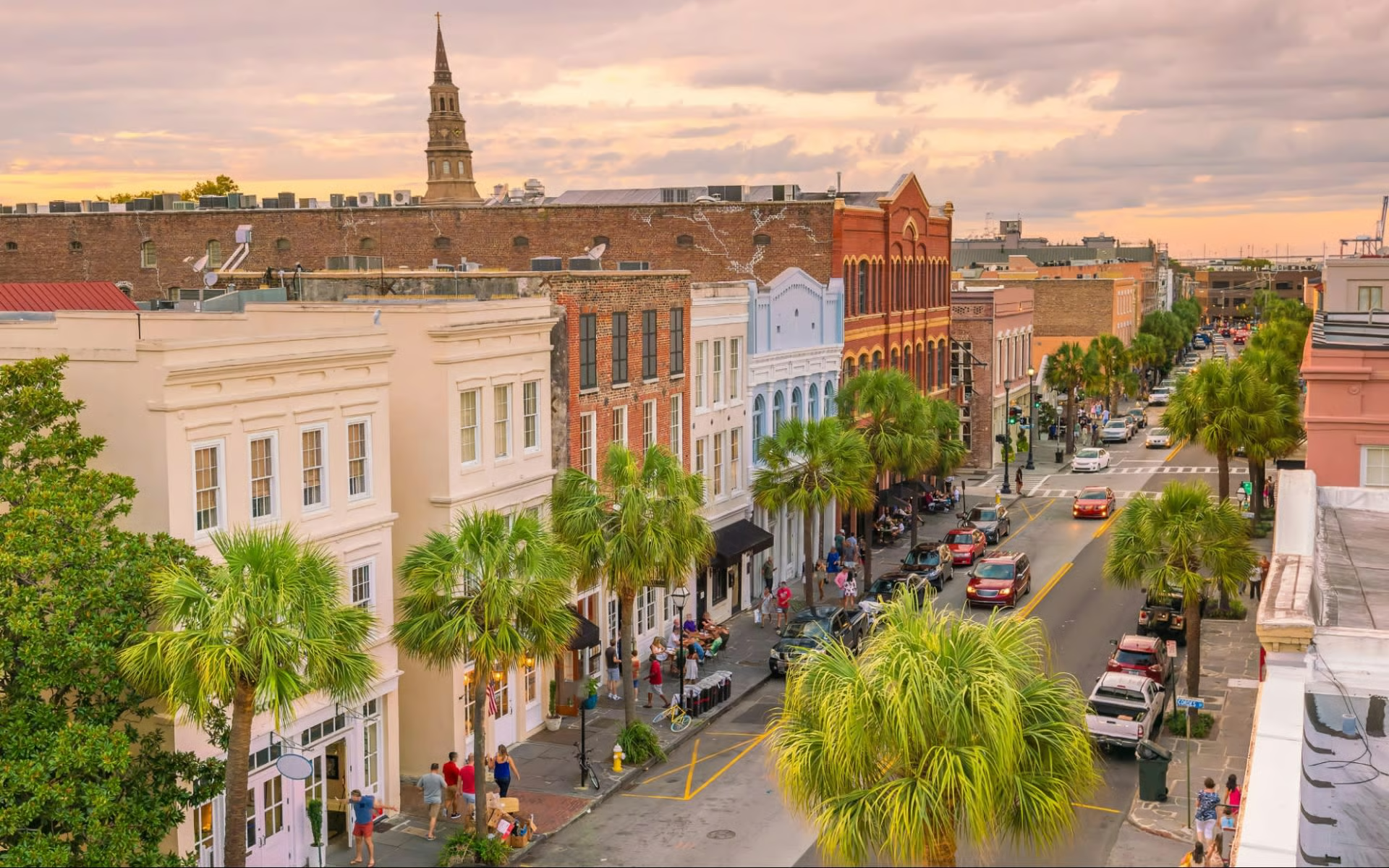
The Charleston Peninsula (Downtown)
To operate a short-term rental in the historic district, the city maintains strict "Primary Residence" requirements. The property must be your full-time home, and rentals are generally limited to accessory dwellings (like carriage houses) rather than the main residence. Explore Downtown Listings
Seabrook Island
Seabrook remains a favorite for investors due to its private, gated nature. As of 2026, the island maintains a cap on STR permits to preserve the residential feel. Owners must obtain a specific business license and adhere to strict occupancy limits based on square footage. View Seabrook Island Listings
Kiawah Island
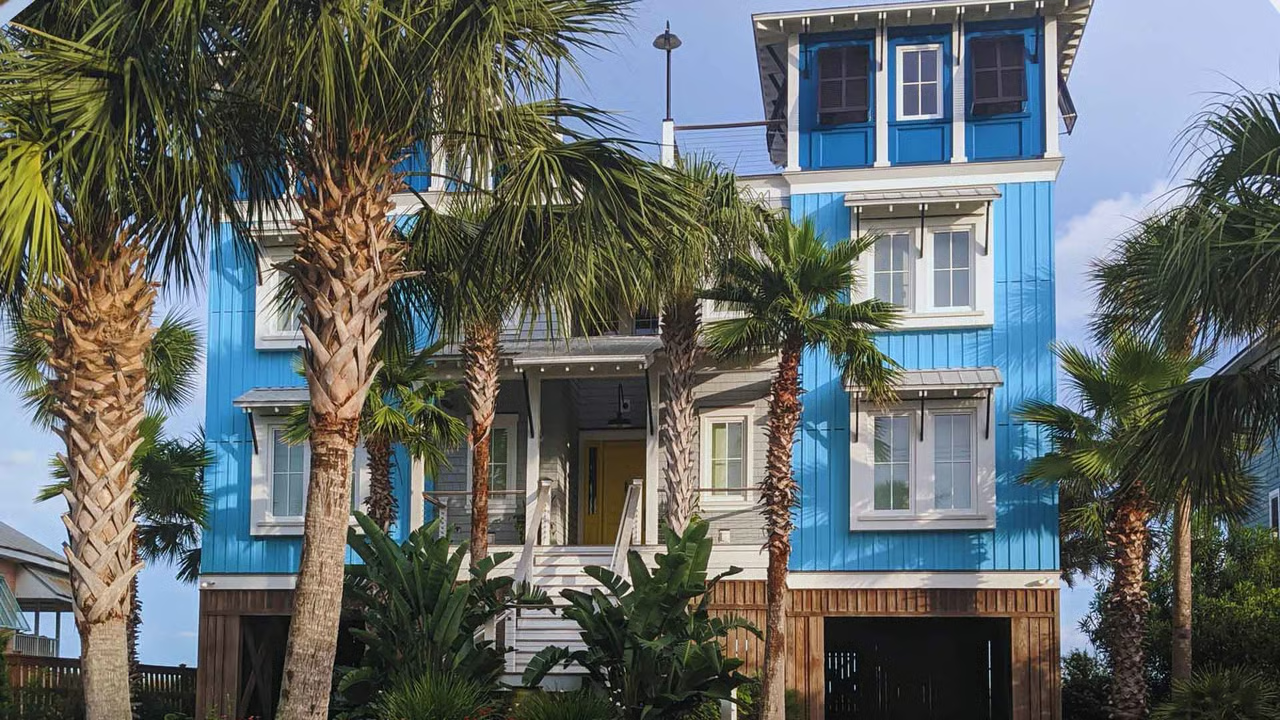
Kiawah offers the most structured investment environment with four distinct rental zones. Zone 3 and designated tourist areas currently have no permit caps, making them the "gold standard" for high-yield luxury rentals. Expect high nightly rates and a sophisticated, repeat clientele.
Folly Beach
Known for its laid-back vibe, Folly Beach currently enforces an 800-license cap for short-term rentals. If you are looking here, the best strategy is to find a property with an existing, transferable license already in place.
Mount Pleasant & Daniel Island
These areas primarily focus on long-term stability. Most STR permits require the property to be a primary residence with a significant waitlist. They are excellent choices for "Buy and Hold" long-term rental strategies.
Financial Realities: ROI & Projections
In the 2026 market, high-performing Charleston STRs are grossing between $45,000 and $100,000+ annually, depending on the specific island and proximity to the water. However, your "Net ROI" depends heavily on managing three factors:
- Insurance: Coastal-specific policies are a necessity.
- Management: High-end guests expect 24/7 concierge-level service.
- Permitting Fees: Annual renewals and business license taxes vary significantly by municipality.
Work with a Charleston Investment Specialist
The rules are complex, but the rewards are significant. I help my clients identify properties that aren't just "beautiful homes," but high-functioning assets. From zoning research to ROI projections, I’ll make sure your next investment is a smart one.
Ready to explore the best investment opportunities in the Lowcountry? Let’s connect today.
Michelle Almeyda-Wiedemuth
Founder of Live In Charleston
Sea Island & Charleston Real Estate Specialist
843.818.3628
Daniel Ravenel Sotheby’s International Realty
Realtor® | License #119253